
MURAL SIGNAGE
The Story of the
Swale
A mural signage series coupled with a raingarden. The mural signage tells the Story of the Swale, a 3 chapter series, that invites one to understand to role of the rain garden in “Looking Closely”, to understand the history of the intertidal zone and eel grass meadow, Coast Salish stewardship, and the changes that have taken place in False Creek in “Looking Back”, and understand the connections water gives us, and the possibilities for cycles of renewal, restoration, and reconciliation in “Looking Forward”.
LEAD
Cameron Cartiere
DESIGN TEAM
Jean Chrisholm
Sophia Borchers
Sydney Mercedi
ILLUSTRATION TEAM
Nick Conbere
Gabby Yan
Lauren James-Davies


About the Project
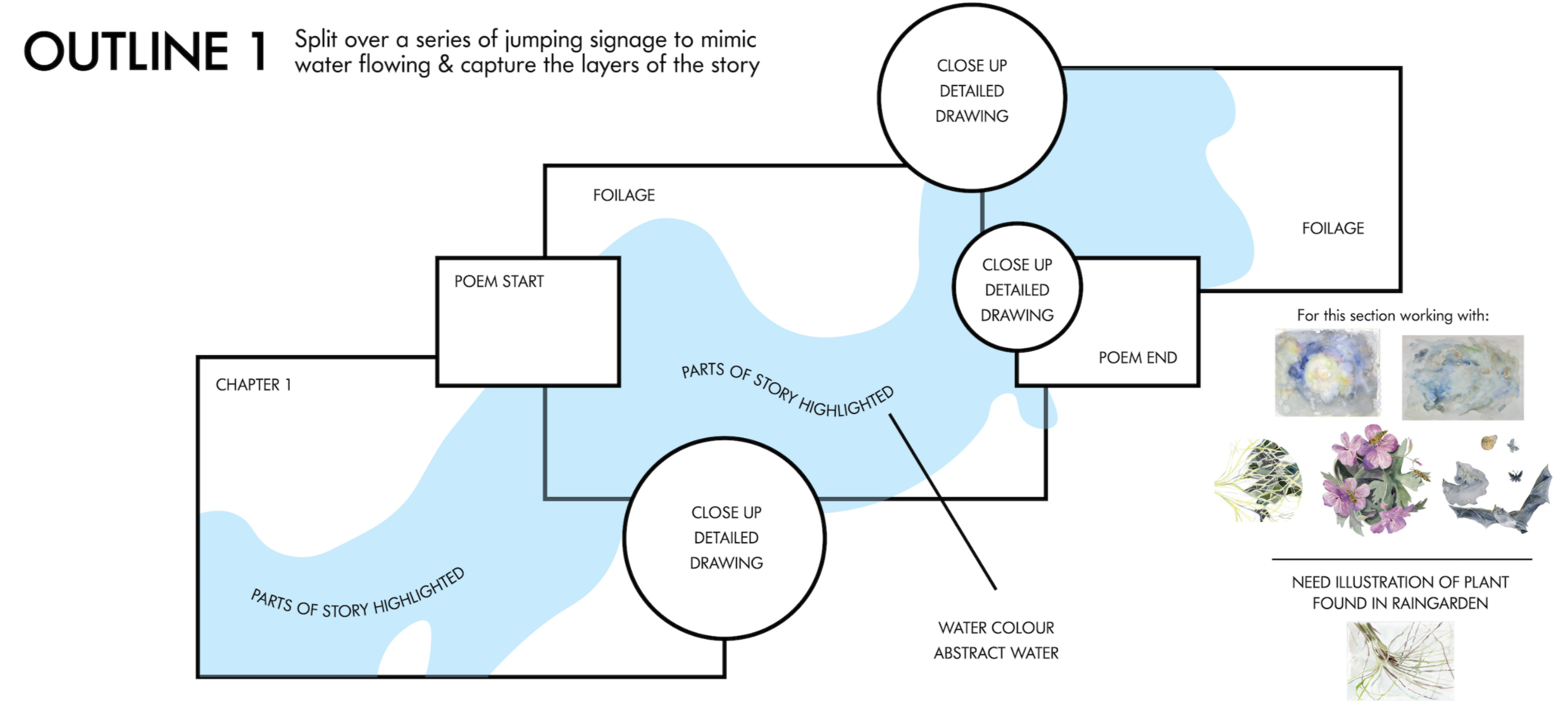
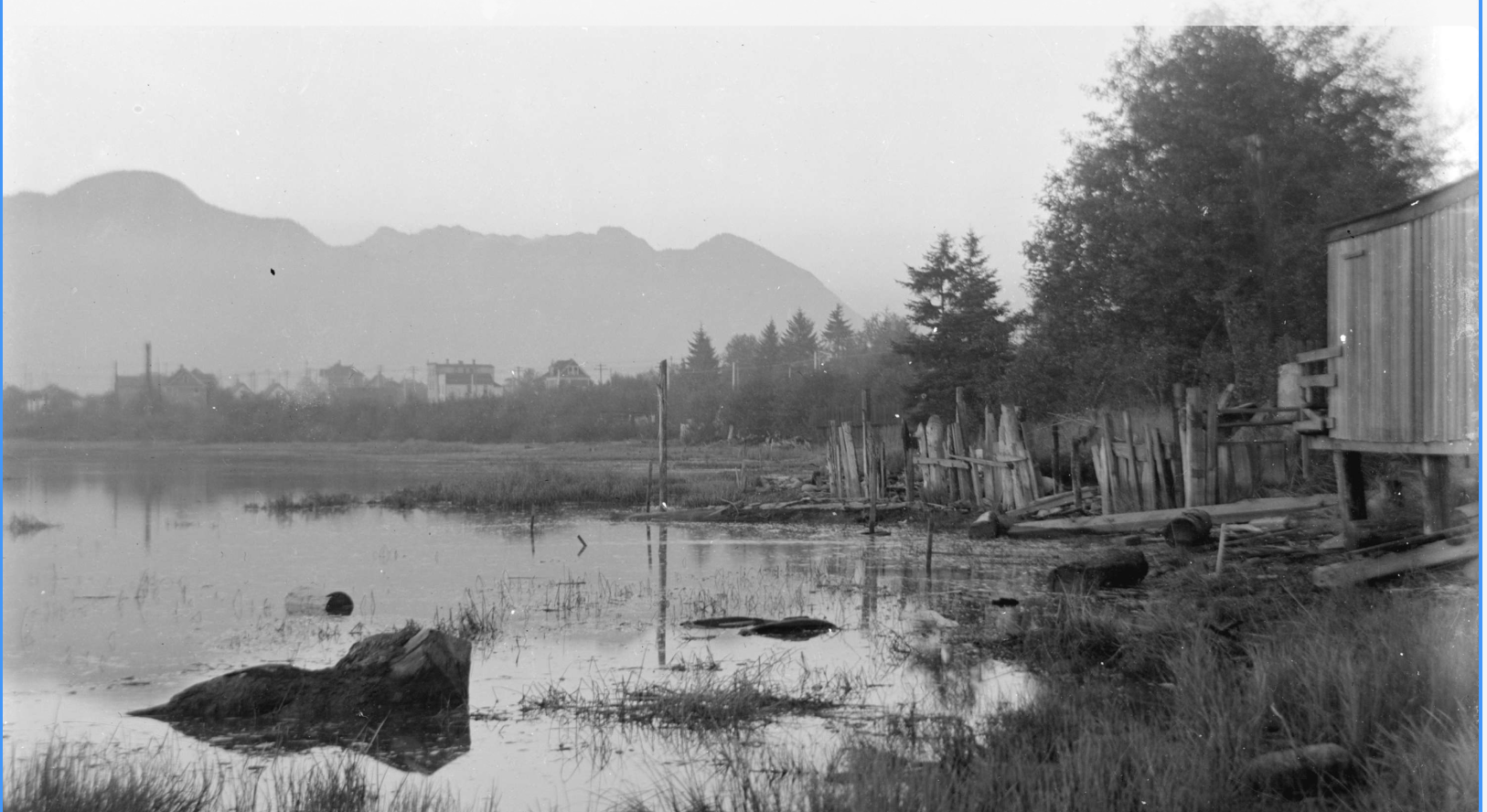
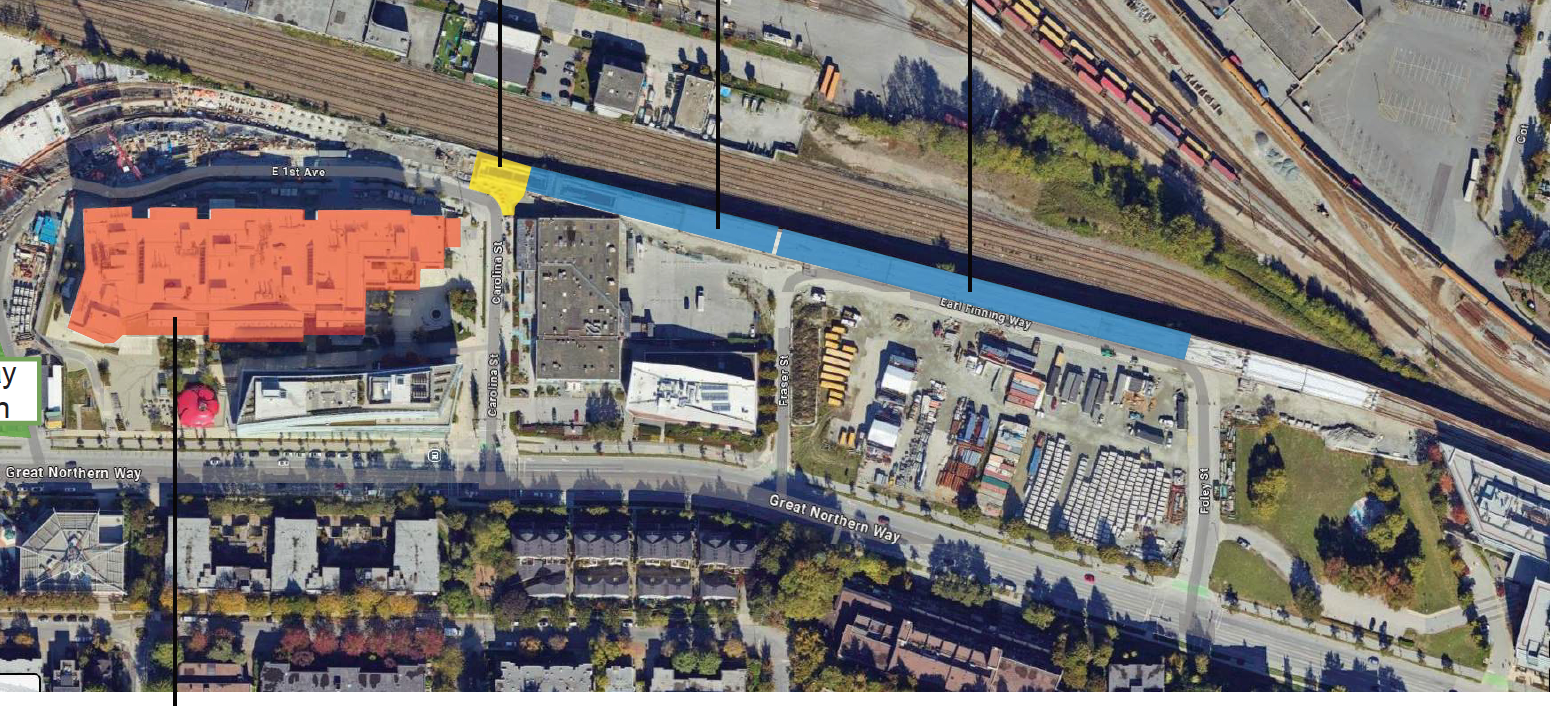
The project will be built behind Emily Carr University, below the new sky train line . Thinking about the scale of the walk way, we wanted to explore a narrative that spread the story of swale over three zones or chapters.
Part 1:
My Role As A Weaver
As a design researcher on a collaborative project with Emily Carr University and the City of Vancouver, our team worked toward a shared goal: to develop a story of the swale that meaningfully expresses the relationship between water and land in a more emotional and connective way.
My role at the beginning of the project focused on a section titled “Looking Closely,” where I researched the function and behaviour of water within the rain garden system. I acted as a “weaver” of information—connecting factual, ecological research with a more human-centered interpretation.
My aim was to translate technical knowledge about how the rain garden operates into something that moves beyond a conventional information graphic, becoming instead a more narrative understanding of water.
Current Information Diagrams about Rain Gardens
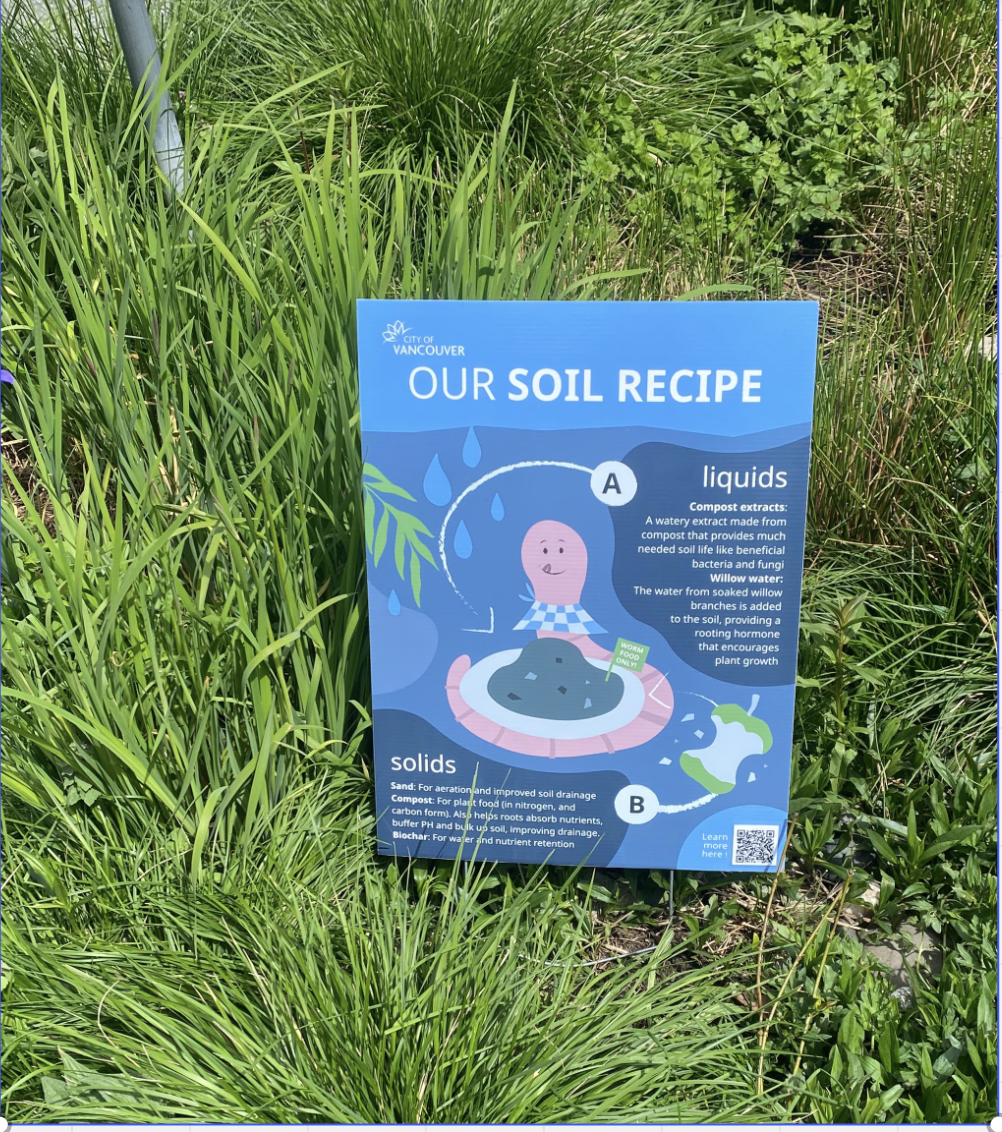
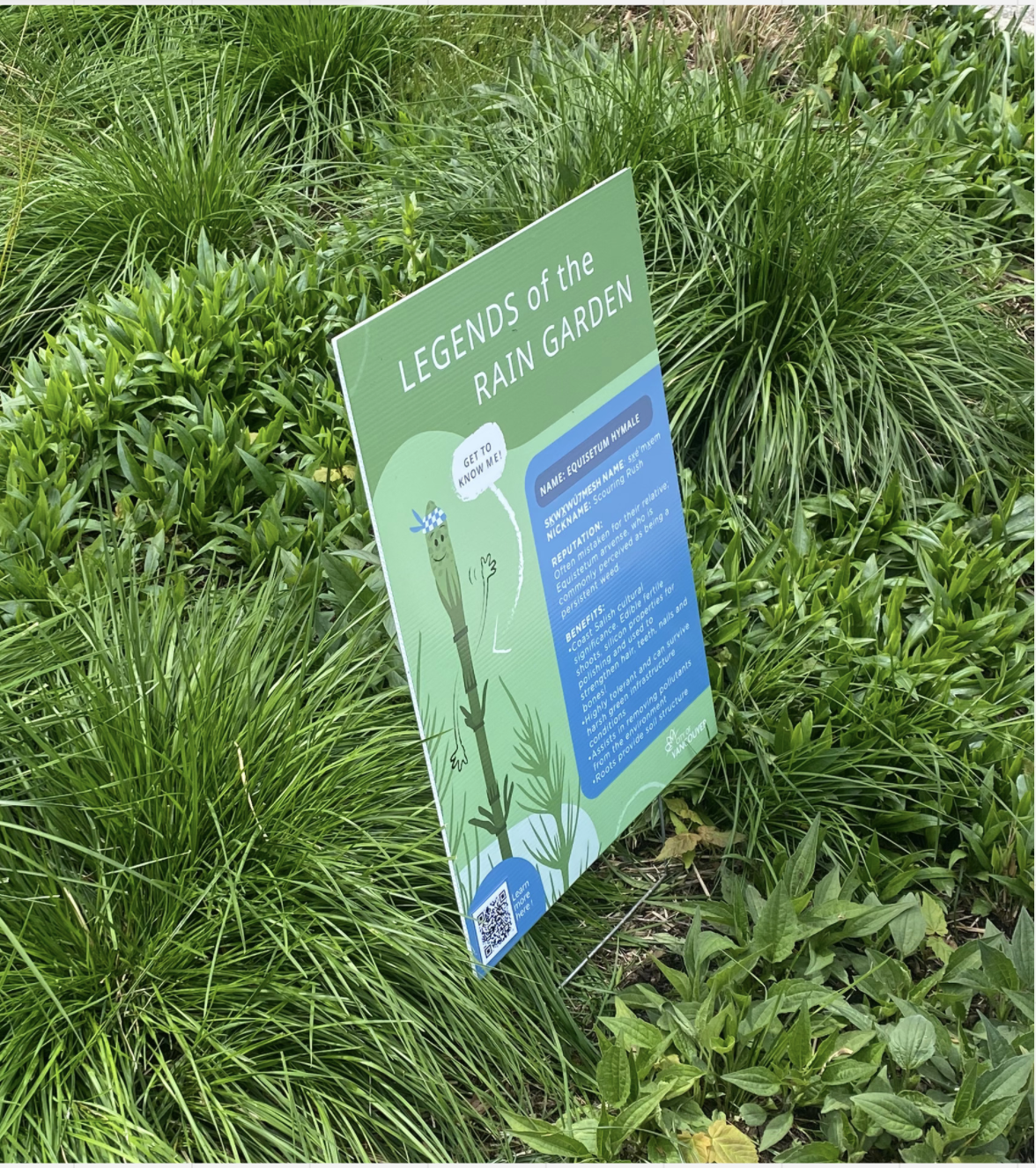
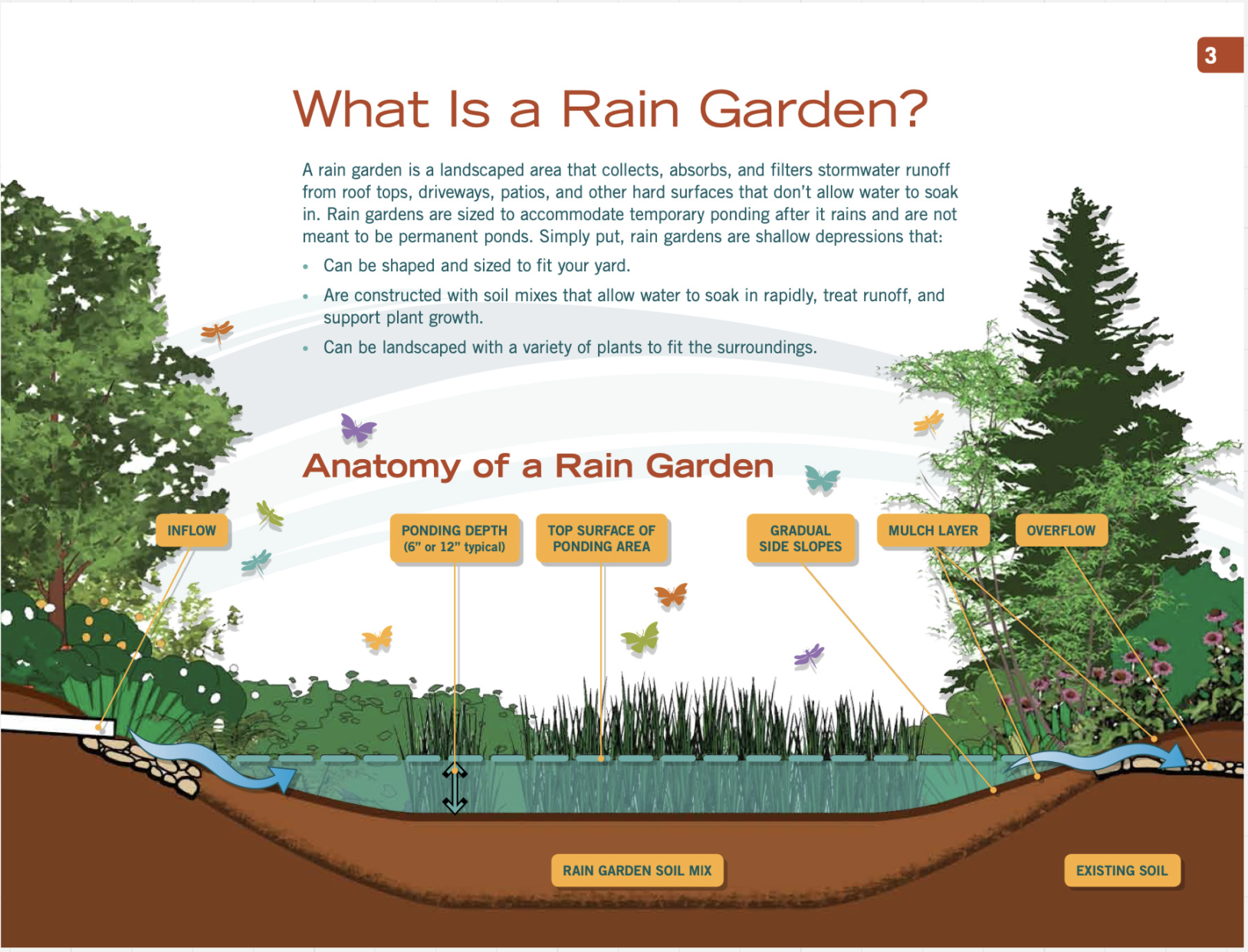
When researching these as reference, I especially looked out for signage within the city of Vancouver, where the new rain garden will take place. Although each signage is informative, it is hard to read (low to ground), does not provide information outside of functionality, and lacks any form of storytelling and emotional connection.
Looking at the Bigger Picture of what a Rain Garden is
1
Think of Water as Living
For many Indigenous cultures, water represents more than just a resource, being viewed as a living entity deserving of respect and protection. Traditional knowledge keepers continue to emphasize the urgent need to protect and restore water systems.
2
The Plants act as a Community
The plants function as a community within the rain garden, working together in layered relationships. Some species occupy the lower basin, absorbing and filtering water, while others thrive along the drier outer edges, maintaining a balanced cycle of moisture across the system. Together, they help remove toxins from the water before it continues downstream. These effects extend beyond the garden itself, moving through the wider ecosystem and up the food chain—from salmon to killer whales, as well as shellfish and birds.
3
Rain Gardens move in Cycles
The storm water runs into the rain garden from the road/the roof, enters garden through the sediment block. The water runs through the garden going downhill, running through the soil and plants and drains within 24 hours. Works in cycles. This differs from a wet-land, water more spread out and holds water longer.
Bringing together a story, from research that goes beyond information telling
Since a main goal of this project, is restoration and rebuilding people’s connections to water, along with the idea of water being a living thing in indigenous cultures, I wanted to bring my portion of the story from the waters point of view in the present, when entering the rain garden. I look at the surroundings how the plants work together to help “relief” the water, and turn to Nature, focusing on the Bees/pollinators. Ultimately the story is about the role of the raingarden, feeding and filtering water back into the environment but touched on this cyclical aspect where this is just a day’s journey and the raingarden will do the same tomorrow.
-
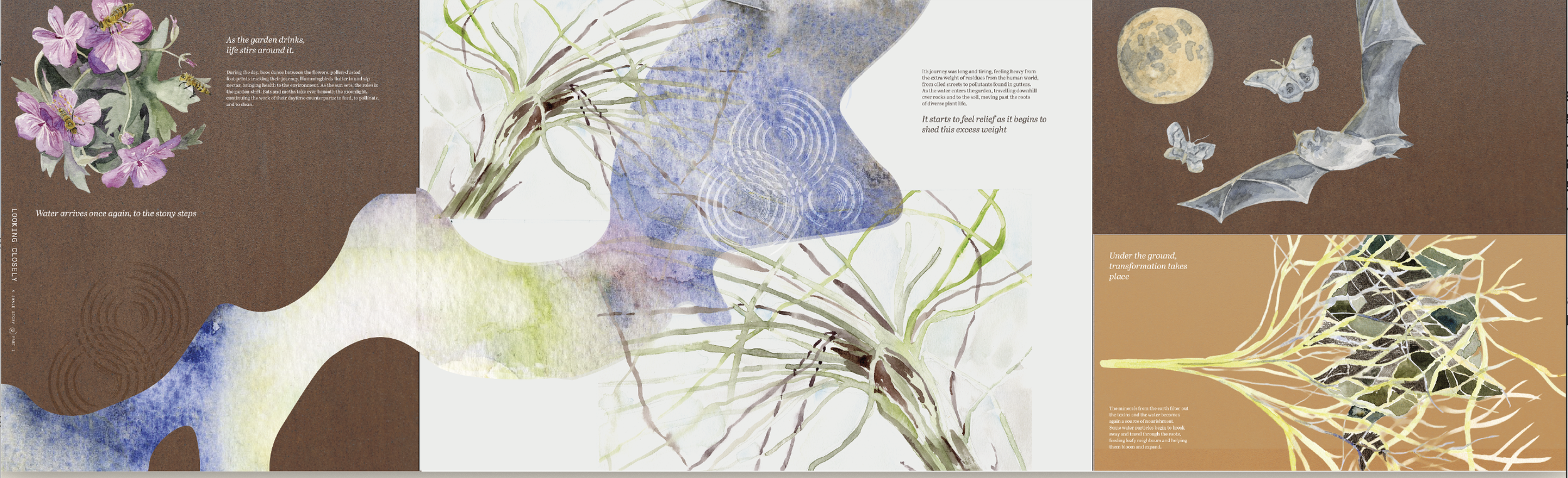
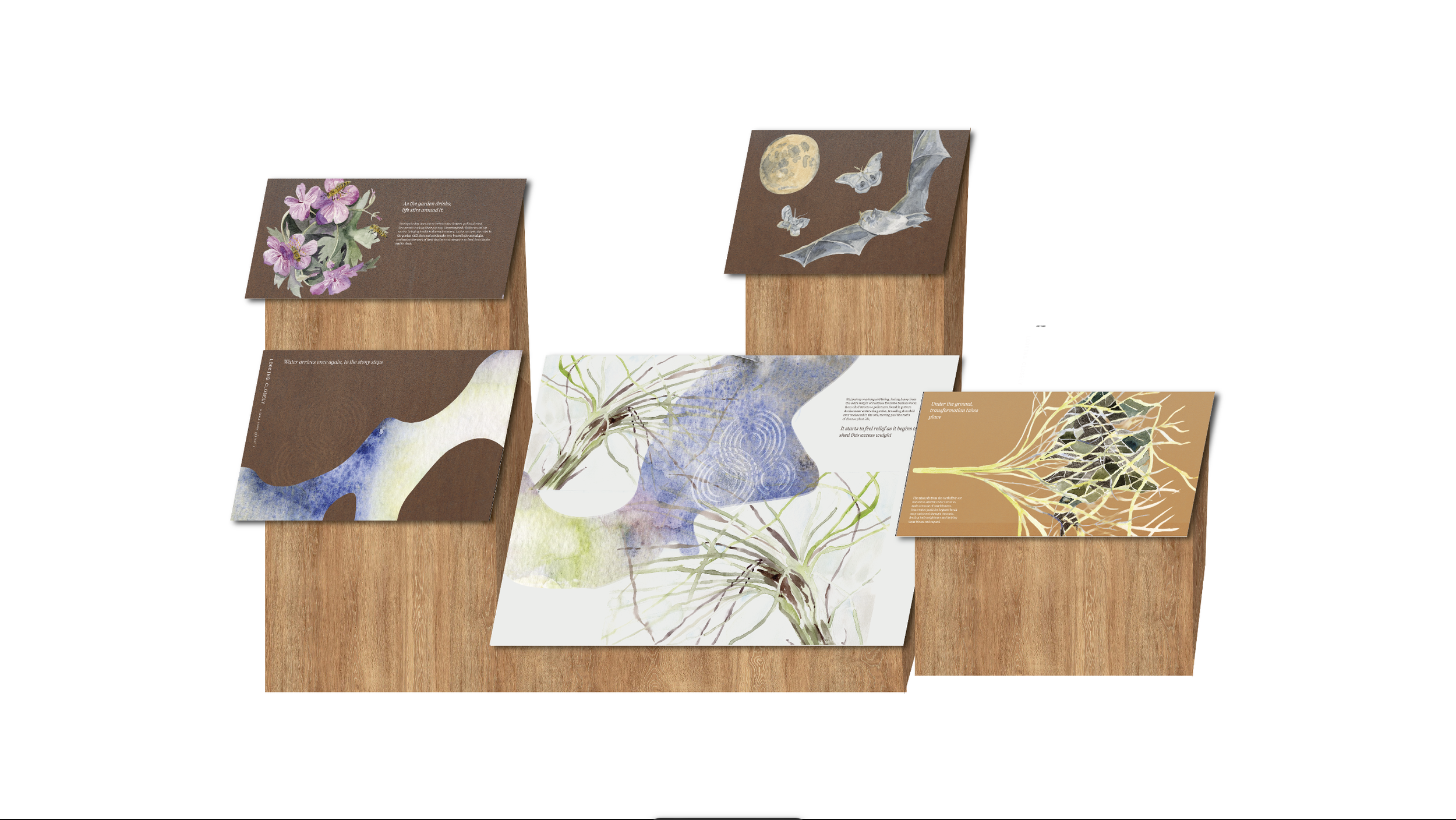
Water arrives once again, to the stony steps, through the sediment block, flowing from the streets surrounding the rain garden.
Its journey was long and tiring, feeling heavy from the extra weight of residues from the human world, from oiled streets to pollutants found in gutters. As the water enters the garden, travelling downhill over rocks and to the soil, moving past the roots of diverse plant life, it starts to feel relief as it begins to shed this excess weight.
Under the ground, transformation takes place, the minerals from the earth filter out the toxins and the water becomes again a source of nourishment. Some water particles begin to break away and travel through the roots, feeding leafy neighbours and helping them bloom and expand.
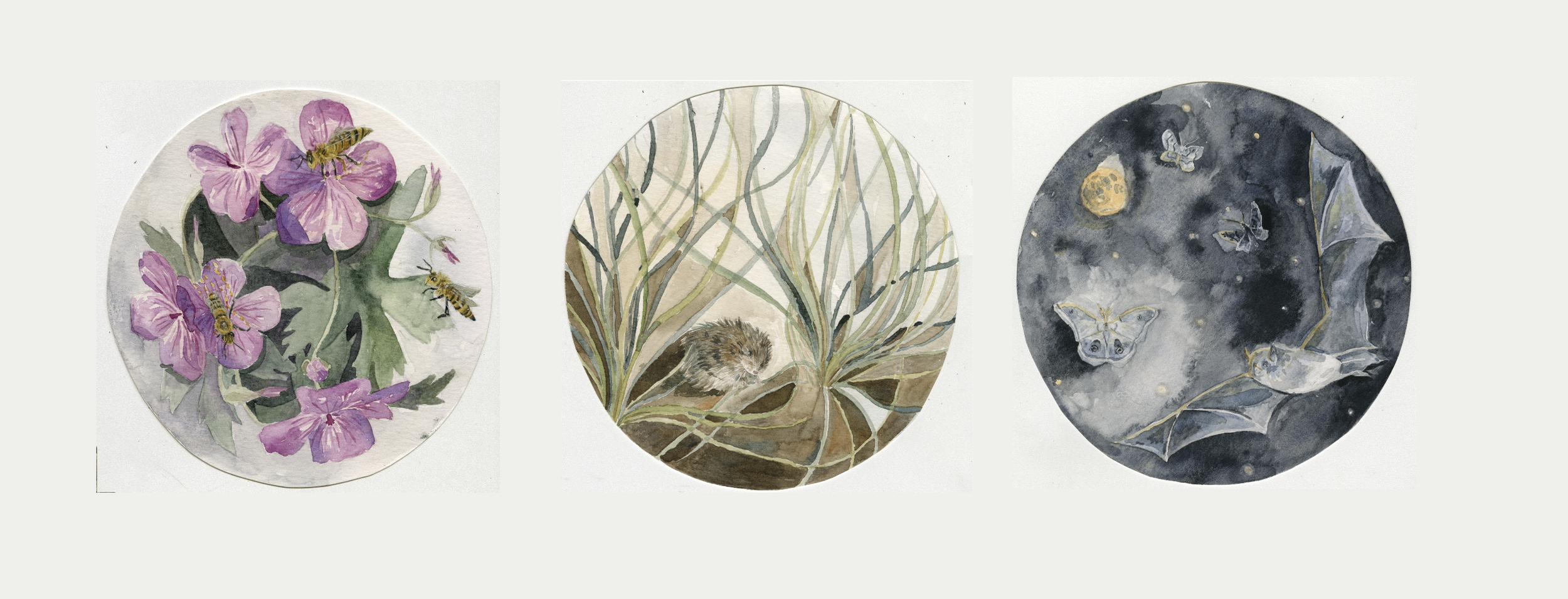
As the garden drinks, life stirs around it. During the day, bees dance between the flowers, pollen-dusted foot-prints tracking their journey. Hummingbirds flutter in and sip nectar, bringing health to the environment. As the sun sets, the roles in the garden shift. Bats and moths take over beneath the moonlight, continuing the work of their daytime counterparts: to feed, to pollinate, and to clean.
written by Sophia Borchers
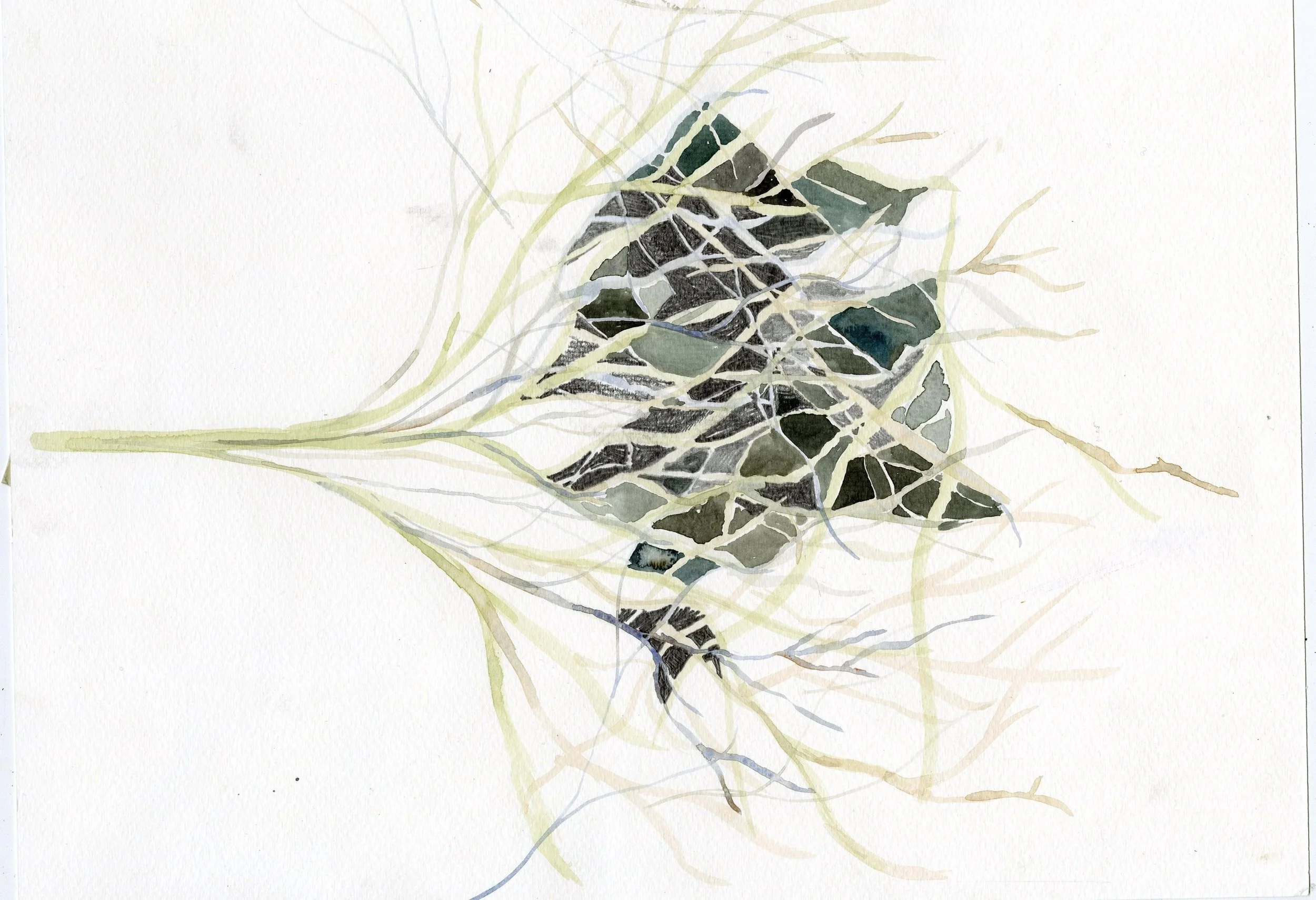
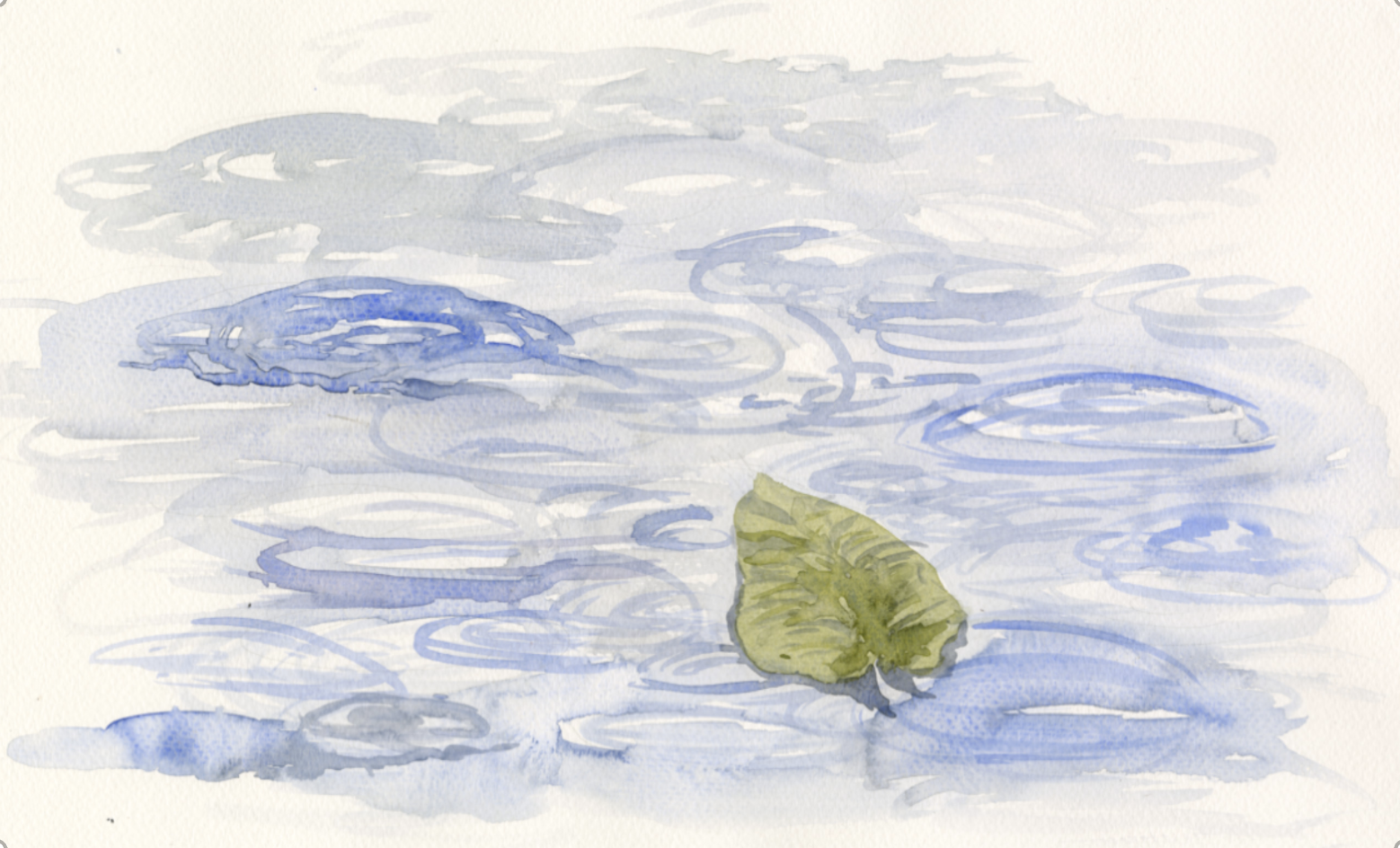
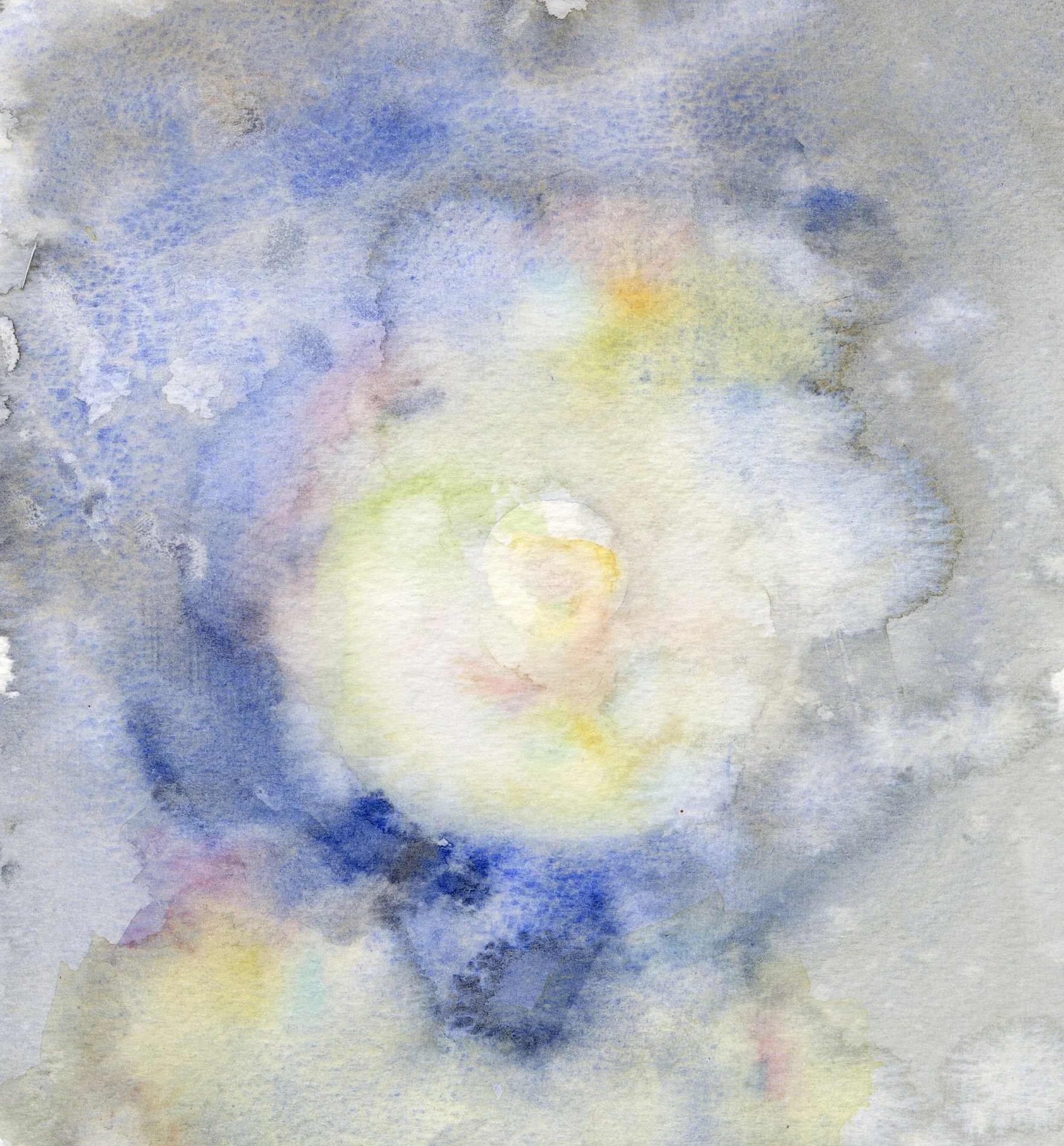
Art Work Inspired by Chapter 1: Looking Closely
Part 2:
My Role As A Designer
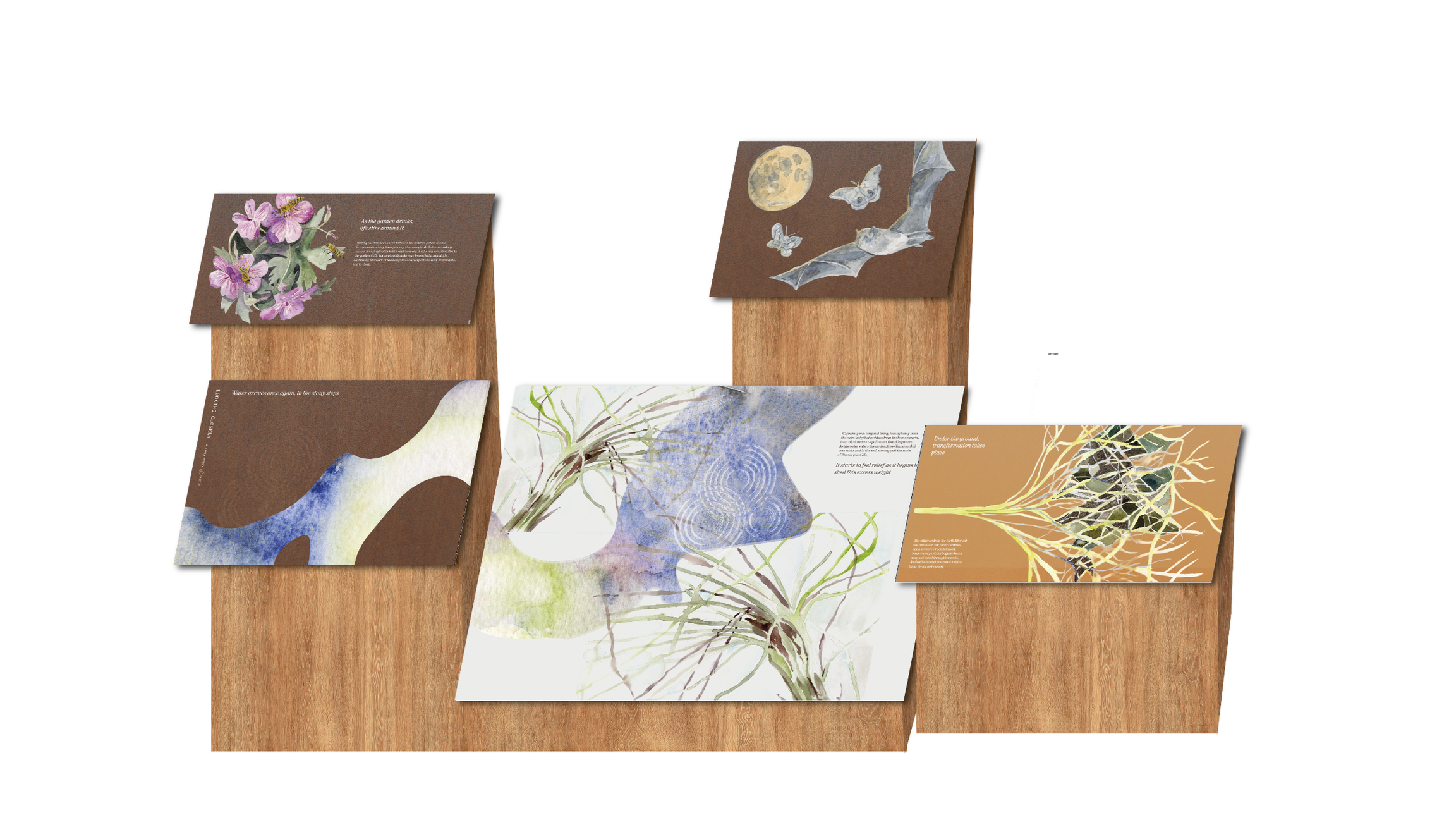
From the beginning of this project, the decisions and approached we made with sharing information to the public was different. Us designers, did different forms of creative writing, looking beyond the obvious information designs. The artists on our team, stepped away from murals that are made electronically and drew all with watercolour, another form of connection and honour we felt towards water. When it comes to signage, I thought having signage that flowed over one another, almost like water flows into a raingarden, would not only be dynamic and bold, but would anchor the story even more with the land. We pitched the use of natural elements, wood, mixed with a brown iron, that felt as if it was the ground. The designers each worked on a panel, with the work with the artwork that was inspired through the reading, and then designed in a panel formation.
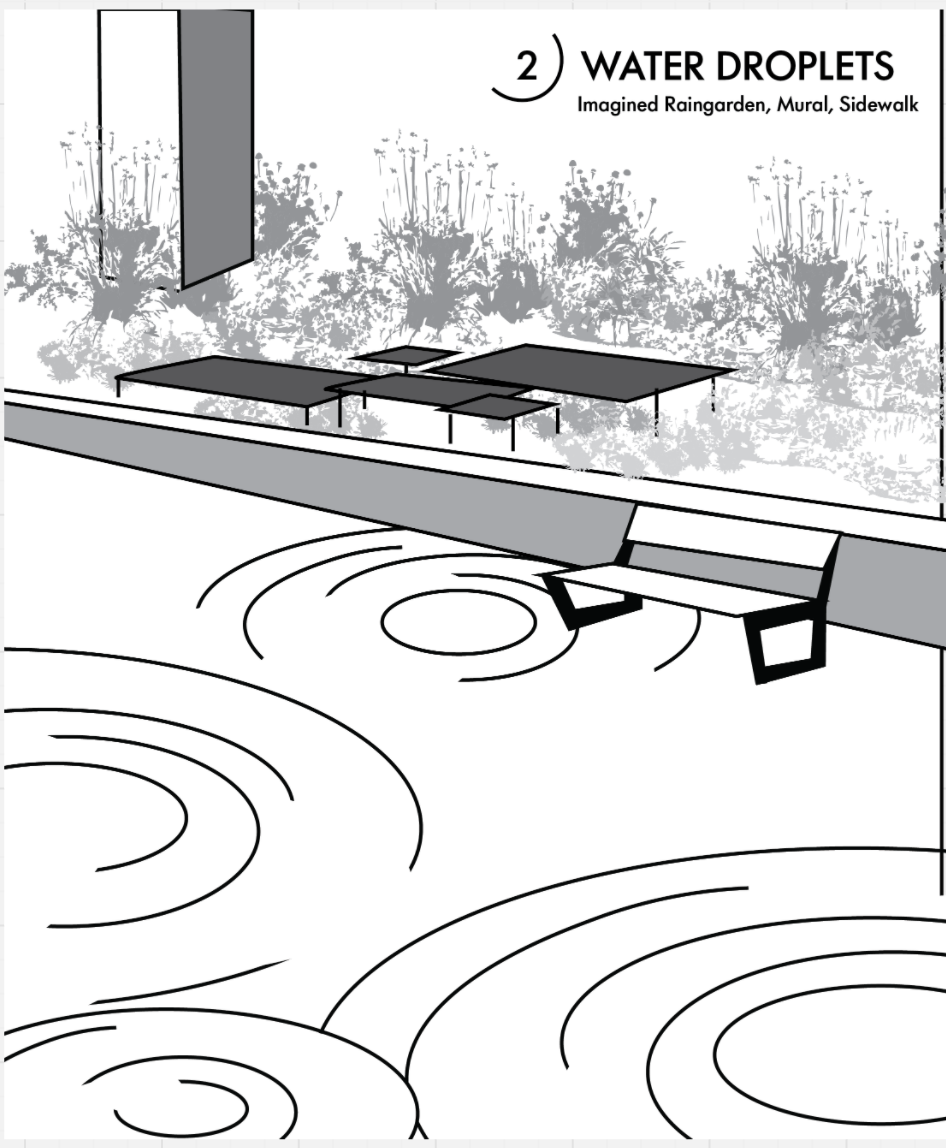
Since water is a central theme across each chapters, signage that flowed as if it was water fitted. As well, I proposed that we could have engravings in the cement of the walkways beside the raingarden, that again connects to water.